Darknet Markets 2026:
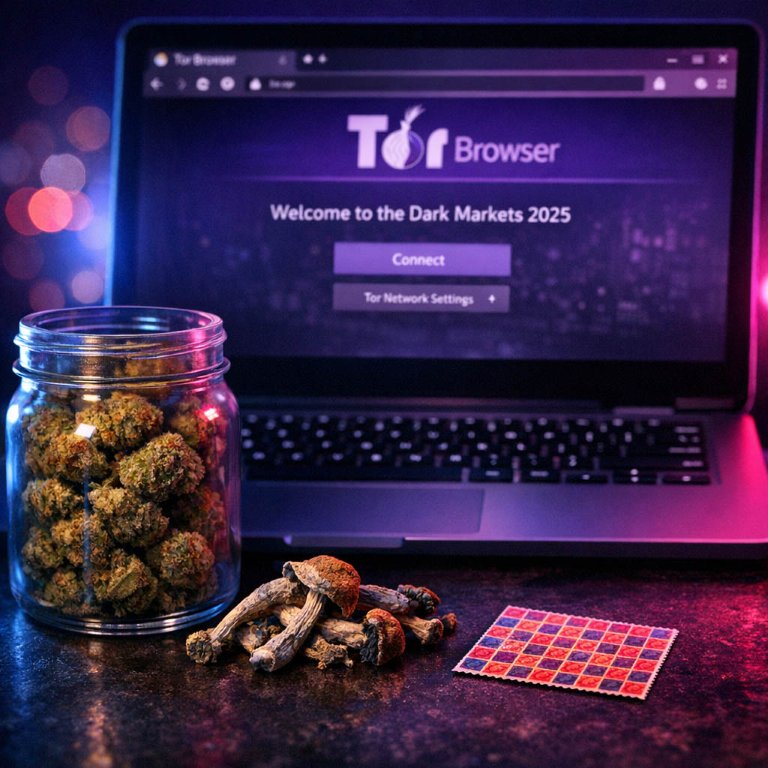
The dark web is part of the deep web but is built on darknets: overlay networks that sit on the internet but which can't be accessed without special tools or software like Tor. Tor is an anonymizing software tool that stands for The Onion Router — you can use the Tor network via Tor Browser.
| Darknet Market | Established | Total Listings | Link |
|---|---|---|---|
| TorZon Market | 2022 | 140+ | Onion Link |
| Nexus Market | 2024 | 600+ | Onion Link |
| Abacus Market | 2022 | 100+ | Onion Link |
| Ares | 2026 | 100+ | Onion Link |
| Cocorico | 2023 | 110+ | Onion Link |
Updated 2026-09-12
Getting to a Darknet Market with a Direct Link
Accessing a darknet market begins with obtaining its current direct URL or .onion address. These addresses, a string of random characters followed by .onion, function as the precise digital coordinates for the market's server, hidden by the Tor network's encryption. As markets frequently change addresses to maintain operational security, users rely on updated lists from specialized darknet forums and link aggregation sites. These platforms serve as community hubs where users verify and share working URLs, effectively acting as a collective directory. The reliability of a shared link is often corroborated by user comments and ratings, establishing a basic layer of trust before a user even visits the market.
Upon reaching a legitimate market, the interface typically mirrors that of conventional e-commerce platforms. The homepage presents categorized listings of goods, search functions, and featured vendors. A stable and well-designed market prioritizes usability and server uptime, which are critical for facilitating smooth transactions. The architecture is built to connect buyers and sellers directly, with the market administration providing the necessary infrastructure and dispute resolution mechanisms, funded by a commission on sales. This commercial model incentivizes the market operators to maintain a functional and competitive platform, as their revenue is directly tied to successful trade volume.
How Forums and Link Sites Keep Drug Trade Accessible on the Darknet
Access to darknet markets relies on specialized .onion URLs, which are not indexed by standard search engines and can change frequently due to takedowns or exit scams. Forums and link aggregation sites serve as the primary, decentralized infrastructure for sharing these current addresses. These platforms operate as community hubs where users verify and publish working URLs.
The process is straightforward: experienced users test new market links and post them on trusted forums. Other members then confirm the link's validity, creating a consensus. This distributed method of verification makes the ecosystem resilient. A single point of failure is avoided because no central authority controls the list; instead, it is maintained collectively by the user base across multiple independent sites.
To use this system effectively, one must first locate a reputable forum. These forums often have dedicated sections or "boards" for market links. The most reliable links are typically found in "sticky" posts or threads with high reply counts, indicating ongoing community verification. It is common practice to cross-reference a market URL across two or more separate forums before use.
- Forums provide user reviews and discussions about market stability and admin behavior.
- Link sites offer simple, updated lists but lack the discussion context of a forum.
- The combined use of both resources offers the most reliable path to a functional market address.
This model of information sharing underscores the self-regulating nature of the darknet commerce environment, where access is democratized and sustained through active participation.
How Crypto Makes Buying Drugs on the Darknet Easy and Secure
Cryptocurrency is the financial engine of the darknet, enabling transactions that are pseudonymous by design. Unlike traditional banking, crypto transactions occur on a public ledger, the blockchain, but they are not directly tied to real-world identities. This creates a layer of separation between a user's personal information and their economic activity. For darknet commerce, this functionality is essential, as it allows for the direct exchange of value without the need for a trusted third party like a bank.
The process relies on the use of wallets, which are software tools that generate and store cryptographic keys. A user sends payment from their wallet address to a vendor's wallet address. While this transaction is permanently recorded, the identities behind the addresses are not inherently known. To enhance anonymity further, specific practices are employed. Monero (XMR) is often preferred over Bitcoin for its stronger privacy features, as it obfuscates transaction details on its blockchain. Even when using Bitcoin, traders commonly utilize a tumbler or coin mixing service, which pools and redistributes funds to break the link between the sending and receiving addresses.
This financial model supports a thriving ecosystem. It facilitates a wide range of commerce by providing a reliable and borderless payment method. The integration of cryptocurrency with escrow services managed by the market itself adds a layer of security for both parties. Funds are held by the market until the buyer confirms receipt of the goods, which reduces the risk of fraud and builds trust in vendor ratings. The decentralized and cryptographic nature of cryptocurrency thus provides the necessary foundation for anonymous trade, enabling the darknet market model to function with a degree of efficiency and security that attracts a global user base seeking discreet commercial interactions.
How Ratings and Escrow Make Buying on the Darknet Safer
The decentralized and anonymous nature of darknet commerce requires robust, system-imposed mechanisms for trust. These mechanisms replace traditional legal guarantees and are built primarily on two pillars: vendor ratings and escrow services.
A vendor's rating is a cumulative record of their transaction history. Each completed order allows the buyer to leave detailed feedback on product quality, shipping speed, and stealth. This creates a transparent reputation score. High-rated vendors with thousands of successful sales have a strong economic incentive to maintain their standing, making them more reliable partners. Newer vendors often start with smaller listings to build this reputation organically.
The escrow system secures the financial transaction. When an order is placed, the buyer's cryptocurrency is held in a market-controlled escrow account. The funds are only released to the vendor after the buyer confirms successful receipt of the goods. This protects the buyer from scams. For finalizing early or for very trusted vendors, a Finalize Early (FE) option exists, which releases funds immediately, but this carries higher risk and is reflected in the vendor's rating metrics.
Together, these systems create a self-regulating environment. A vendor with a long history and high rating using escrow presents a low-risk transaction. The architecture incentivizes honest trade, as poor performance or fraud leads to negative feedback and loss of future business, ensuring market integrity and user safety.
How Darknet Markets Build Trust and Smooth Shopping
Market stability in the darknet is a function of operational security, financial design, and community feedback mechanisms. A stable platform maintains consistent uptime, which is achieved through robust server infrastructure and effective mitigation against distributed denial-of-service attacks. This reliability ensures that users can access listings and complete transactions without frequent interruptions, which is fundamental for commercial activity.
Ease of use is equally critical for adoption and smooth operation. A well-designed darknet market features an intuitive interface that simplifies navigation, similar to mainstream e-commerce platforms. Key elements include:
- A clear, searchable catalog organized by product category and region.
- A streamlined checkout process integrating cryptocurrency wallets.
- Transparent vendor profiles displaying historical ratings and detailed feedback.
- An automated escrow system that holds funds securely until order fulfillment is confirmed by the buyer.
The combination of these features reduces transactional friction. The escrow system, in particular, is a cornerstone of trust, protecting both parties by ensuring vendors are paid only after the buyer receives the goods. Furthermore, a stable market actively moderates its vendor base, removing actors with consistently poor feedback or fraudulent behavior, which elevates the overall quality and safety of the trade environment. This creates a self-reinforcing cycle where reliability attracts more reputable vendors and discerning buyers, further cementing the market's position and making it a preferred destination for secure transactions.

Essential Security Tools for Safe Darknet Shopping
Successful navigation of darknet markets is predicated on a robust personal security setup. This foundation begins with the Tor Browser, which anonymizes traffic by routing it through a distributed network, effectively concealing a user's location and usage from network surveillance. For enhanced privacy, pairing Tor with a reputable VPN service adds an additional layer of encryption before the connection enters the Tor network, though this configuration requires understanding the potential trade-offs in trust.
Cryptocurrency transactions, while pseudonymous, leave a permanent public ledger. Tumbling or coin mixing services break the on-chain link between the source of funds and the market payment address. For everyday operational security, employing a dedicated, hardened operating system like Tails or Qubes OS is highly effective. These systems run from volatile media, leave no digital footprint on the host machine, and force all connections through Tor.
Secure communication with vendors is facilitated by PGP encryption. A user generates a public-private key pair, shares the public key for encrypting messages, and uses the private keynever shared or stored insecurelyfor decryption. This ensures that sensitive information, such as delivery addresses, remains confidential even from market administrators. Essential software includes:
- A trusted password manager for creating and storing unique, complex credentials for each market and service.
- Full-disk encryption on the host computer to protect data at rest from physical seizure.
- Virtual machine software to create isolated, disposable environments for testing or risky activities.
This suite of tools, when used consistently, transforms the darknet shopping experience from a risky endeavor into a manageable process grounded in verified cryptographic principles. The autonomy provided by these technologies empowers users to conduct trade with a significantly reduced risk profile.
Simple Steps for Safe and Secure Darknet Purchases
Basic operational security is the foundation of any successful darknet transaction. It begins with the use of The Onion Router (Tor) browser, which anonymizes internet traffic by routing it through a global network of volunteer-operated servers. This process encrypts data multiple times, making it extremely difficult to trace activity back to a physical location. For enhanced security, particularly when accessing financial resources, connecting through a Virtual Private Network (VPN) before launching Tor adds an extra layer of encryption to the local network connection, obscuring the fact that Tor is being used from the internet service provider.
Device hygiene is equally critical. The computer or device used should be free of personal data, malware, and unnecessary applications. A dedicated, clean operating system, such as Tails, which runs from a USB drive and leaves no trace on the host machine, is considered a best practice. All communications and activities must be confined to the anonymized environment; using a personal email or social media account in the same browser session can deanonymize the user.
Financial anonymity is maintained through cryptocurrency, with Monero (XMR) being preferred for its strong privacy-by-default features that obscure transaction details on its blockchain. If using Bitcoin, which has a transparent ledger, a tumbling or coin-mixing service is often employed to break the link between the sending and receiving addresses. Funds should never be sent directly from a regulated exchange wallet to a darknet market; instead, they should be moved through one or more intermediate private wallets.
Finally, meticulous attention to detail in all interactions prevents operational errors. This includes:
- Using unique, complex passwords and pseudonyms for each market and forum.
- Verifying the market's PGP key from multiple sources to avoid phishing sites.
- Encrypting all sensitive messages, including delivery addresses, with the vendor's public PGP key.
- Avoiding discussions of specific transactions or vendors on any non-encrypted platform.
These steps, while simple in concept, form a cohesive security posture that significantly reduces risk, allowing for confident and discreet participation in the darknet economy.

A Wide Selection of Goods on the Darknet
The range of products on a darknet market is its defining feature, moving far beyond common assumptions. While narcotics form a significant category, their availability is a function of consumer demand and represents a mature, consumer-driven ecosystem. Listings are detailed, with precise information on substance purity, weight, and origin, allowing for informed purchasing decisions similar to those on any e-commerce platform.
Markets also facilitate trade in other goods that prioritize privacy or circumvent traditional retail channels. Common categories include:
- Digital products like software, e-books, and compromised data.
- Forged documents and counterfeit currency.
- Specialized electronics and hardware.
- Legal substances that are regionally restricted.
The listing structure itself promotes efficiency. Vendors use clear titles, images, and descriptions. Search functions and category filters allow users to navigate extensive inventories quickly. This organization demonstrates how darknet markets have adopted standard e-commerce principles to serve a specific clientele, focusing on discretion and direct access to goods that are otherwise difficult or illegal to obtain through conventional means.